
Schedule – Plan – Do: A Simpler Way to Outsmart Procrastination.
Procrastination isn’t always about laziness—it’s often a sign of overload. In a world where notifications buzz endlessly and expectations pile up invisibly, even the simplest task can start to feel heavy. We delay, not because we don’t care, but because our minds are too cluttered to act clearly.
What helps isn’t more pressure, but more structure. Not a rigid system, but a rhythm that clears space for action. That rhythm can be as simple as: Schedule, Plan, Do. Scheduling is about creating mental breathing room. When you give time slots to your tasks, even roughly, you take the guesswork out of your day. It’s not about boxing yourself in—it’s about giving form to your intentions. Instead of waking up and facing a fog of choices, you meet the day with direction. That alone cuts down on a surprising amount of stress.
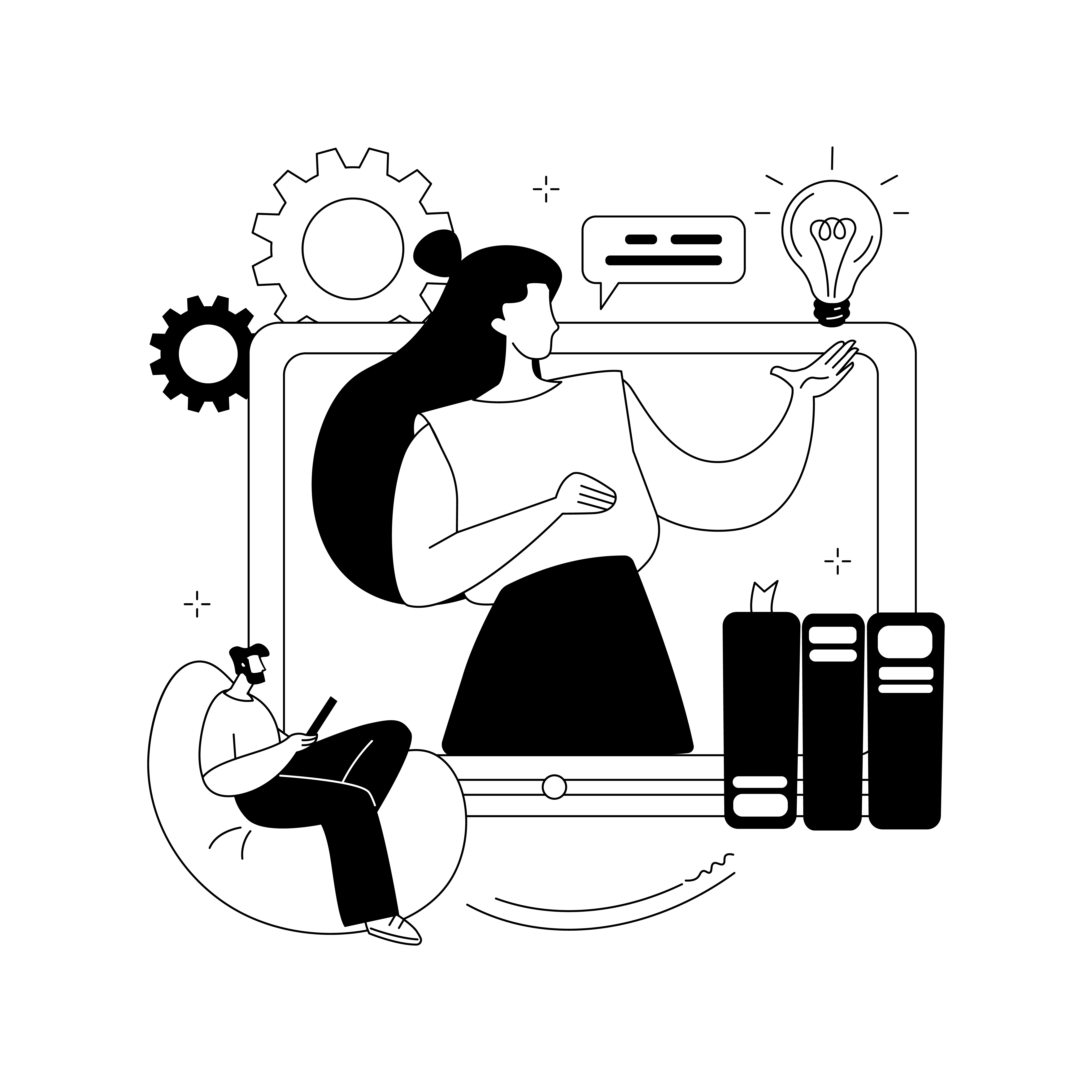
Planning is where the real mental decluttering happens. It's not about drawing up a master blueprint or scripting every detail. It’s about knowing what you're doing before you sit down to do it. A quick moment of clarity—writing something down, outlining next steps, or setting a rough order—can be the difference between action and avoidance. Your brain isn’t built to store every reminder, deadline, and idea. Offloading that weight, even partially, frees up energy for focus and creativity. Then comes the doing—not in a rushed or anxious way, but as a natural extension of the preparation you've already done. You’ve made the space. You’ve cleared the clutter. Now, starting is easier. There’s less friction, and the work feels lighter. That’s where momentum builds—quietly, steadily, and with far less effort than expected. This approach isn’t revolutionary. It’s deceptively simple. But in its simplicity lies power. You’re not constantly reacting, shifting gears, or burning through brainpower trying to remember everything. You’re working with intention. And when your actions match your focus, productivity stops being a struggle and becomes a natural flow. The right tools and habits can make this rhythm even smoother. Whether it’s a notebook, a digital planner, or a subtle system that supports your workflow without getting in your way, the key is to keep things light and clear. The less you carry in your head, the more space you have to think, act, and ultimately, grow. Your best work doesn’t come from being busy—it comes from being ready. Schedule. Plan. Do. And watch procrastination quietly lose its grip.